Buy finanzbuchhaltung24.eu ?
We are moving the project
finanzbuchhaltung24.eu .
Are you interested in purchasing the domain
finanzbuchhaltung24.eu ?
domain@kv-gmbh.de · 0541-91531010
Buy finanzbuchhaltung24.eu ?
What is hybridization?
Hybridization is a concept in chemistry that involves the mixing of atomic orbitals to form new hybrid orbitals. These hybrid orbitals have different shapes and energies compared to the original atomic orbitals and are used to explain the geometry of molecules. Hybridization helps in understanding the bonding behavior of atoms in molecules and predicting their molecular shapes. **
How does hybridization occur?
Hybridization occurs when two different species interbreed, resulting in offspring with a combination of traits from both parent species. This can happen naturally in the wild or can be facilitated by humans through controlled breeding. Hybridization can lead to the creation of new species with unique characteristics, and it plays a significant role in evolution and biodiversity. However, it can also lead to the loss of genetic diversity and can sometimes result in offspring that are less fit for their environment. **

Similar search terms for Hybridization
Top-Angebote
Products related to Hybridization:
-
Cassell You're Not Broke You're Pre-Rich by Emilie Bellet - Paperback Personal Finance Guide for Adults - Budgeting, Saving & Investing Made SimpleGet straight-talking advice on personal finance with Emilie Bellet's guide to budgeting, saving, and investing. This practical book, designed for adults, helps you take charge of your finances and build lasting financial wellbeing, one manageable step at a time. Written by the founder of Vestpod, it distills years of expertise into an indispensable manual for anyone looking to simplify their finances and achieve financial confidence.6,99 £*Shipping: 2,99 £Secure redirect to the provider

-
What is orbital hybridization?
Orbital hybridization is a concept in chemistry that describes the mixing of atomic orbitals to form new hybrid orbitals. This occurs when an atom forms covalent bonds with other atoms. The hybrid orbitals have different shapes and energies than the original atomic orbitals, and they allow for better overlap with other orbitals, leading to stronger and more stable bonds. The most common types of hybridization are sp, sp2, and sp3, which involve the mixing of s and p orbitals to form new hybrid orbitals. **
-
What is DNA hybridization?
DNA hybridization is a process in which single-stranded DNA molecules from different sources are allowed to come together and form double-stranded molecules through complementary base pairing. This process is used to determine the degree of similarity between DNA sequences from different organisms, and is a key technique in molecular biology and genetics. DNA hybridization can be used to compare the genetic relatedness between different species, to identify specific genes or genetic mutations, and to study the structure and function of DNA. **
-
How does hybridization work?
Hybridization is a process in which two different species or varieties are crossed to create a new hybrid with desired traits from both parents. This can be done through controlled breeding or genetic engineering. The resulting hybrid may exhibit a combination of traits from the parent species, such as disease resistance, higher yield, or specific physical characteristics. Hybridization is commonly used in agriculture to develop new crop varieties with improved traits, and in horticulture to create new flower varieties. **
-
What is a plant hybridization?
Plant hybridization is the process of cross-breeding two different plant varieties to create a new plant with desired traits from both parent plants. This can be done naturally through pollination or artificially by humans. The goal of plant hybridization is to produce plants with improved characteristics such as disease resistance, higher yield, or better taste. It is a common practice in agriculture and horticulture to develop new plant varieties with specific traits. **
What is hybridization in chemistry?
Hybridization in chemistry refers to the mixing of atomic orbitals to form new hybrid orbitals. This process occurs when atoms bond together to form molecules. Hybridization allows for the formation of stronger and more stable bonds, as well as the ability to explain the shapes and geometries of molecules. It is a fundamental concept in understanding the structure and properties of chemical compounds. **
Can you explain hybridization simply?
Hybridization is a concept in chemistry that involves the mixing of atomic orbitals to form new hybrid orbitals. These hybrid orbitals have different shapes and energies than the original atomic orbitals, and they allow for the formation of stronger and more stable chemical bonds. In simple terms, hybridization is like mixing different colors of paint to create a new color - it combines the characteristics of the original orbitals to create something new and useful for bonding. **
Top-Angebote
Products related to Hybridization:
-
DK Your Financial Planner: Review, Plan, Reflect by Camilla Falkenberg - Female Invest Paperback Budgeting Workbook, Non-FictionYour Financial Planner: Review, Plan, Reflect is a hands-on companion from the founders of Female Invest, a platform that has helped millions of women take control of their money. This interactive planner builds on their bestselling guide to investing, turning financial theory into practical action. It's packed with worksheets, budgeting exercises, and goal-setting prompts to help readers save with purpose, invest with confidence, and build lasting financial independence. Written by Camilla Falkenberg, Emma Due Bitz, and Anna-Sophie Hartvigsen, the authors of the Female Invest movement, this planner provides the tools to put financial knowledge into practice. The book is suitable for adults (18+).4,99 £*Shipping: 2,99 £Secure redirect to the provider
-
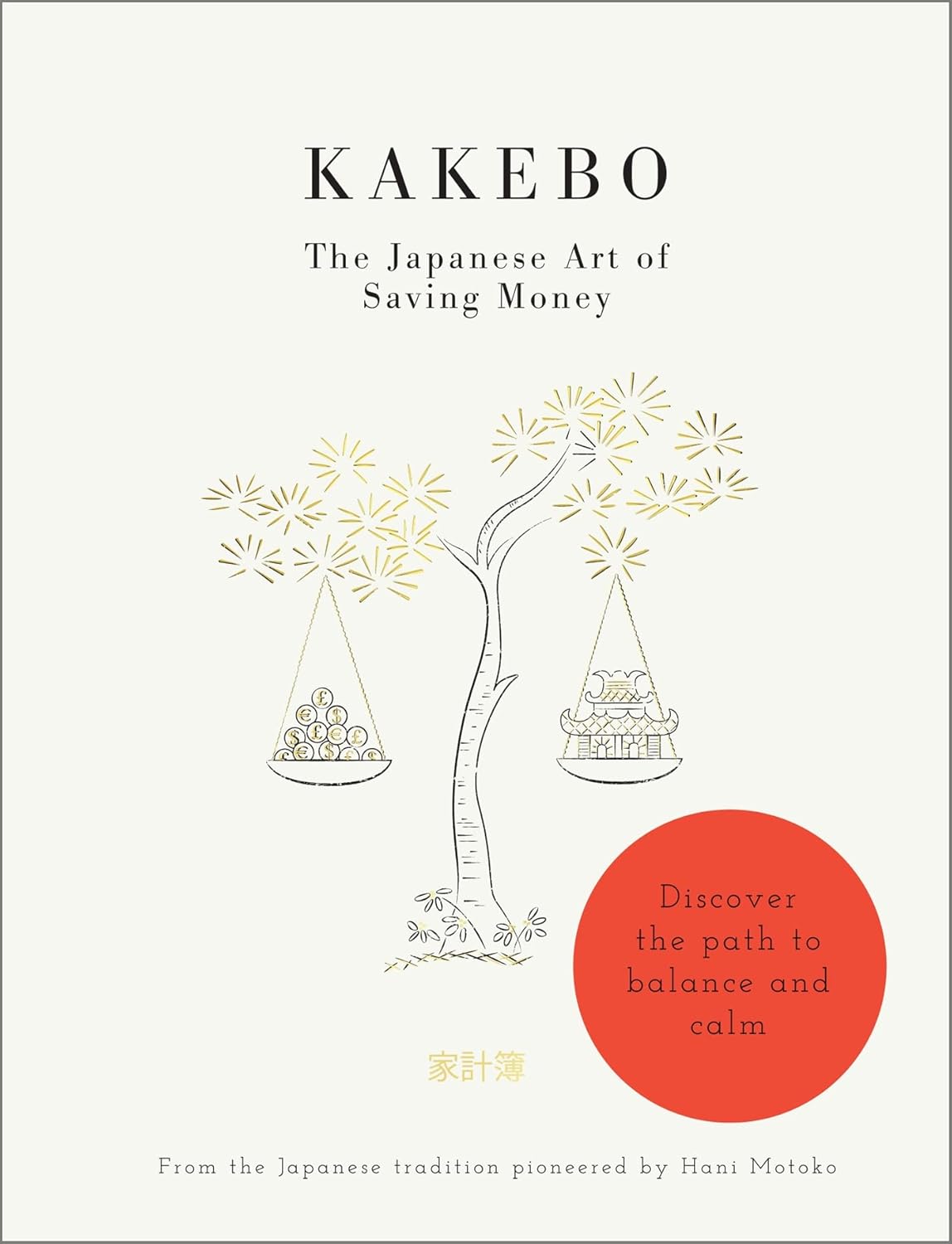
Short Books Kakebo: The Japanese Art of Saving Money by Hani Motoko - Paperback Budgeting Journal - Money Management Non Fiction GiftDiscover the Japanese art of saving money with Kakebo, a century-old budgeting journal brought to modern readers. Created by pioneering journalist Hani Motoko, this practical guide helps you set monthly savings goals, track weekly spending, and reflect on your relationship with money. It's an accessible alternative to budgeting apps, ideal for building lasting financial habits. Kakebo, which simply means 'household account book', distils a Japanese budgeting tradition that dates back to 1904. The beautifully produced paperback allows you to note your income, fixed outgoings, and savings target at the start of each month, then log spending across simple categories each week before tallying everything up.5,99 £*Shipping: 2,99 £Secure redirect to the provider
-
Cassell You're Not Broke You're Pre-Rich by Emilie Bellet - Paperback Personal Finance Guide for Adults - Budgeting, Saving & Investing Made SimpleGet straight-talking advice on personal finance with Emilie Bellet's guide to budgeting, saving, and investing. This practical book, designed for adults, helps you take charge of your finances and build lasting financial wellbeing, one manageable step at a time. Written by the founder of Vestpod, it distills years of expertise into an indispensable manual for anyone looking to simplify their finances and achieve financial confidence.6,99 £*Shipping: 2,99 £Secure redirect to the provider
-
What is hybridization?
Hybridization is a concept in chemistry that involves the mixing of atomic orbitals to form new hybrid orbitals. These hybrid orbitals have different shapes and energies compared to the original atomic orbitals and are used to explain the geometry of molecules. Hybridization helps in understanding the bonding behavior of atoms in molecules and predicting their molecular shapes. **
-
How does hybridization occur?
Hybridization occurs when two different species interbreed, resulting in offspring with a combination of traits from both parent species. This can happen naturally in the wild or can be facilitated by humans through controlled breeding. Hybridization can lead to the creation of new species with unique characteristics, and it plays a significant role in evolution and biodiversity. However, it can also lead to the loss of genetic diversity and can sometimes result in offspring that are less fit for their environment. **
-
What is orbital hybridization?
Orbital hybridization is a concept in chemistry that describes the mixing of atomic orbitals to form new hybrid orbitals. This occurs when an atom forms covalent bonds with other atoms. The hybrid orbitals have different shapes and energies than the original atomic orbitals, and they allow for better overlap with other orbitals, leading to stronger and more stable bonds. The most common types of hybridization are sp, sp2, and sp3, which involve the mixing of s and p orbitals to form new hybrid orbitals. **
-
What is DNA hybridization?
DNA hybridization is a process in which single-stranded DNA molecules from different sources are allowed to come together and form double-stranded molecules through complementary base pairing. This process is used to determine the degree of similarity between DNA sequences from different organisms, and is a key technique in molecular biology and genetics. DNA hybridization can be used to compare the genetic relatedness between different species, to identify specific genes or genetic mutations, and to study the structure and function of DNA. **
Similar search terms for Hybridization
-
How does hybridization work?
Hybridization is a process in which two different species or varieties are crossed to create a new hybrid with desired traits from both parents. This can be done through controlled breeding or genetic engineering. The resulting hybrid may exhibit a combination of traits from the parent species, such as disease resistance, higher yield, or specific physical characteristics. Hybridization is commonly used in agriculture to develop new crop varieties with improved traits, and in horticulture to create new flower varieties. **
-
What is a plant hybridization?
Plant hybridization is the process of cross-breeding two different plant varieties to create a new plant with desired traits from both parent plants. This can be done naturally through pollination or artificially by humans. The goal of plant hybridization is to produce plants with improved characteristics such as disease resistance, higher yield, or better taste. It is a common practice in agriculture and horticulture to develop new plant varieties with specific traits. **
-
What is hybridization in chemistry?
Hybridization in chemistry refers to the mixing of atomic orbitals to form new hybrid orbitals. This process occurs when atoms bond together to form molecules. Hybridization allows for the formation of stronger and more stable bonds, as well as the ability to explain the shapes and geometries of molecules. It is a fundamental concept in understanding the structure and properties of chemical compounds. **
-
Can you explain hybridization simply?
Hybridization is a concept in chemistry that involves the mixing of atomic orbitals to form new hybrid orbitals. These hybrid orbitals have different shapes and energies than the original atomic orbitals, and they allow for the formation of stronger and more stable chemical bonds. In simple terms, hybridization is like mixing different colors of paint to create a new color - it combines the characteristics of the original orbitals to create something new and useful for bonding. **
* All prices are inclusive of VAT and, if applicable, plus shipping costs. The offer information is based on the details provided by the respective shop and is updated through automated processes. Real-time updates do not occur, so deviations can occur in individual cases. ** Note: Parts of this content were created by AI.