Buy finanzbuchhaltung24.eu ?
We are moving the project
finanzbuchhaltung24.eu .
Are you interested in purchasing the domain
finanzbuchhaltung24.eu ?
domain@kv-gmbh.de · 0541-91531010
Buy finanzbuchhaltung24.eu ?
What are similarity ratios?
Similarity ratios are ratios that compare the corresponding sides of two similar figures. They help us understand the relationship between the sides of similar shapes. The ratio of corresponding sides in similar figures is always the same, which means that if you know the ratio of one pair of sides, you can use it to find the ratio of other pairs of sides. Similarity ratios are important in geometry and are used to solve problems involving similar figures. **
What are angle ratios?
Angle ratios are the ratios of the lengths of the sides of a right-angled triangle. In a right-angled triangle, the ratio of the length of the side opposite an angle to the length of the hypotenuse is called the sine of the angle. The ratio of the length of the side adjacent to an angle to the length of the hypotenuse is called the cosine of the angle. And the ratio of the length of the side opposite an angle to the length of the side adjacent to the angle is called the tangent of the angle. These ratios are fundamental in trigonometry and are used to solve for unknown sides and angles in right-angled triangles. **

Similar search terms for Ratios
Top-Angebote
Products related to Ratios:
-
Cassell You're Not Broke You're Pre-Rich by Emilie Bellet - Paperback Personal Finance Guide for Adults - Budgeting, Saving & Investing Made SimpleGet straight-talking advice on personal finance with Emilie Bellet's guide to budgeting, saving, and investing. This practical book, designed for adults, helps you take charge of your finances and build lasting financial wellbeing, one manageable step at a time. Written by the founder of Vestpod, it distills years of expertise into an indispensable manual for anyone looking to simplify their finances and achieve financial confidence.6,99 £*Shipping: 2,99 £Secure redirect to the provider

-
What are circle ratios?
Circle ratios, also known as trigonometric ratios, are mathematical relationships between the sides and angles of a right-angled triangle. The three main circle ratios are sine, cosine, and tangent, which are defined as the ratio of the lengths of the sides of the triangle. These ratios are used to solve for unknown side lengths or angles in a right-angled triangle and are fundamental concepts in trigonometry. The sine ratio is the ratio of the length of the side opposite an angle to the length of the hypotenuse, the cosine ratio is the ratio of the length of the side adjacent to an angle to the length of the hypotenuse, and the tangent ratio is the ratio of the length of the side opposite an angle to the length of the side adjacent to the angle. **
-
What are ratios and proportions?
Ratios are a way of comparing two quantities by division, often written as a fraction or with a colon. Proportions are equations that show that two ratios are equal. In other words, proportions are two equal ratios. Ratios and proportions are used in various real-life situations, such as cooking, finance, and geometry, to compare and scale quantities. **
-
What are ratios in chemistry?
Ratios in chemistry refer to the quantitative relationship between the amounts of substances involved in a chemical reaction or process. These ratios can be expressed in various ways, such as mole ratios, mass ratios, or volume ratios. Ratios are important in stoichiometry, which is the calculation of the quantities of reactants and products in chemical reactions. By understanding and using ratios in chemistry, scientists can accurately predict and control the outcomes of chemical reactions. **
-
How do you calculate profitability ratios?
Profitability ratios are calculated by comparing a company's profits to its revenue, assets, equity, or other financial metrics. The most common profitability ratios include gross profit margin, operating profit margin, net profit margin, return on assets, and return on equity. These ratios are calculated by dividing the relevant profit figure by the corresponding financial metric. For example, the net profit margin is calculated by dividing net income by revenue and multiplying by 100 to get a percentage. These ratios help investors and analysts assess a company's ability to generate profits relative to its financial resources. **
How do I determine base ratios?
To determine base ratios, you need to first identify the different components or elements that make up the base. Then, you need to calculate the ratio of each component to the total base. For example, if the base is made up of three components A, B, and C, you would calculate the ratio of A to the total base, the ratio of B to the total base, and the ratio of C to the total base. This will give you the base ratios for each component. These ratios can be used to analyze the composition and distribution of the base components. **
What are similarity ratios involving angles?
Similarity ratios involving angles are ratios that compare the measures of corresponding angles in similar figures. In similar figures, corresponding angles are congruent, meaning they have the same measure. Therefore, the similarity ratio involving angles is always 1:1, indicating that the corresponding angles in similar figures are equal. This property is a key concept in understanding and solving problems involving similar figures and their angles. **
Top-Angebote
Products related to Ratios:
-
DK Your Financial Planner: Review, Plan, Reflect by Camilla Falkenberg - Female Invest Paperback Budgeting Workbook, Non-FictionYour Financial Planner: Review, Plan, Reflect is a hands-on companion from the founders of Female Invest, a platform that has helped millions of women take control of their money. This interactive planner builds on their bestselling guide to investing, turning financial theory into practical action. It's packed with worksheets, budgeting exercises, and goal-setting prompts to help readers save with purpose, invest with confidence, and build lasting financial independence. Written by Camilla Falkenberg, Emma Due Bitz, and Anna-Sophie Hartvigsen, the authors of the Female Invest movement, this planner provides the tools to put financial knowledge into practice. The book is suitable for adults (18+).4,99 £*Shipping: 2,99 £Secure redirect to the provider
-
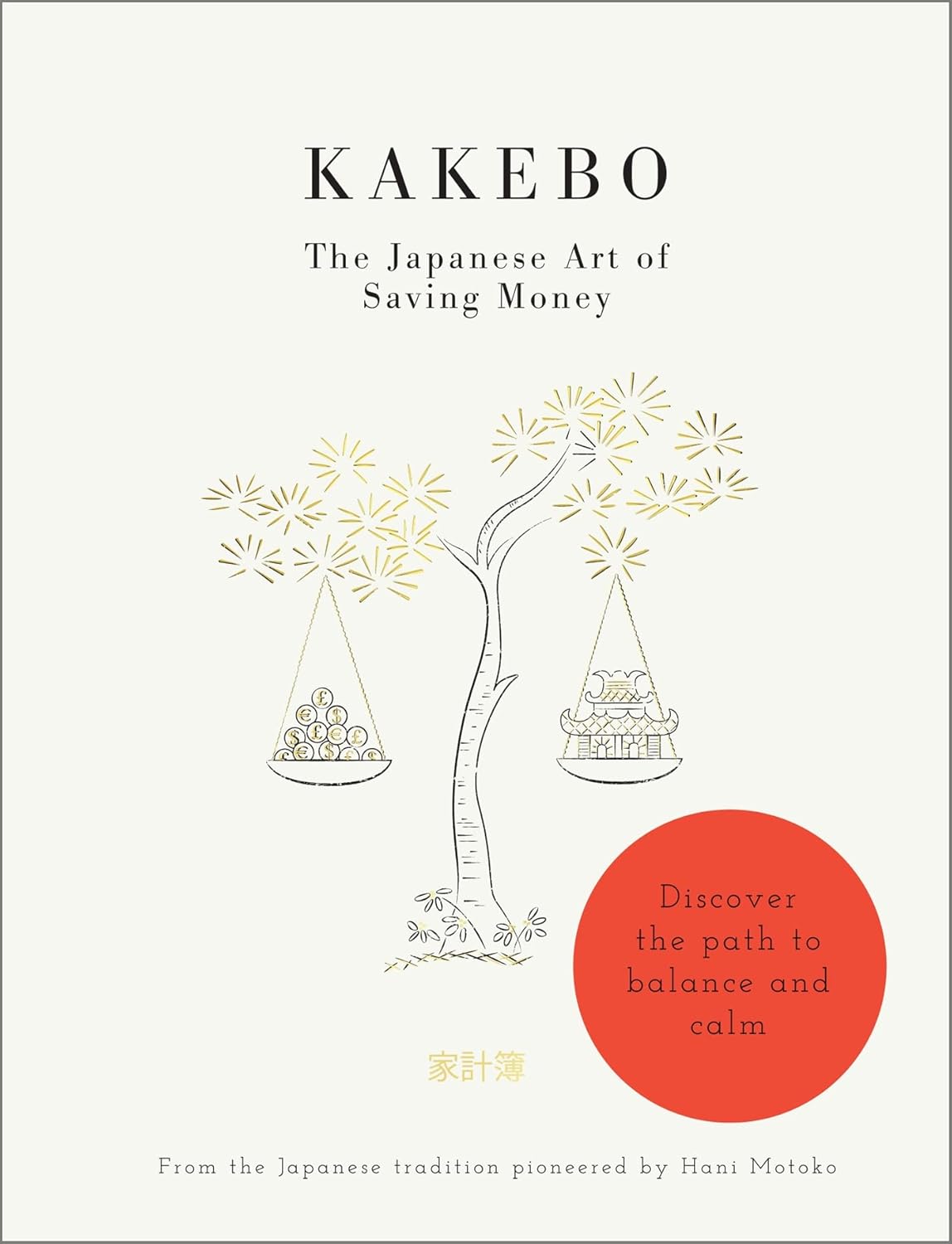
Short Books Kakebo: The Japanese Art of Saving Money by Hani Motoko - Paperback Budgeting Journal - Money Management Non Fiction GiftDiscover the Japanese art of saving money with Kakebo, a century-old budgeting journal brought to modern readers. Created by pioneering journalist Hani Motoko, this practical guide helps you set monthly savings goals, track weekly spending, and reflect on your relationship with money. It's an accessible alternative to budgeting apps, ideal for building lasting financial habits. Kakebo, which simply means 'household account book', distils a Japanese budgeting tradition that dates back to 1904. The beautifully produced paperback allows you to note your income, fixed outgoings, and savings target at the start of each month, then log spending across simple categories each week before tallying everything up.5,99 £*Shipping: 2,99 £Secure redirect to the provider
-
Cassell You're Not Broke You're Pre-Rich by Emilie Bellet - Paperback Personal Finance Guide for Adults - Budgeting, Saving & Investing Made SimpleGet straight-talking advice on personal finance with Emilie Bellet's guide to budgeting, saving, and investing. This practical book, designed for adults, helps you take charge of your finances and build lasting financial wellbeing, one manageable step at a time. Written by the founder of Vestpod, it distills years of expertise into an indispensable manual for anyone looking to simplify their finances and achieve financial confidence.6,99 £*Shipping: 2,99 £Secure redirect to the provider
-
What are similarity ratios?
Similarity ratios are ratios that compare the corresponding sides of two similar figures. They help us understand the relationship between the sides of similar shapes. The ratio of corresponding sides in similar figures is always the same, which means that if you know the ratio of one pair of sides, you can use it to find the ratio of other pairs of sides. Similarity ratios are important in geometry and are used to solve problems involving similar figures. **
-
What are angle ratios?
Angle ratios are the ratios of the lengths of the sides of a right-angled triangle. In a right-angled triangle, the ratio of the length of the side opposite an angle to the length of the hypotenuse is called the sine of the angle. The ratio of the length of the side adjacent to an angle to the length of the hypotenuse is called the cosine of the angle. And the ratio of the length of the side opposite an angle to the length of the side adjacent to the angle is called the tangent of the angle. These ratios are fundamental in trigonometry and are used to solve for unknown sides and angles in right-angled triangles. **
-
What are circle ratios?
Circle ratios, also known as trigonometric ratios, are mathematical relationships between the sides and angles of a right-angled triangle. The three main circle ratios are sine, cosine, and tangent, which are defined as the ratio of the lengths of the sides of the triangle. These ratios are used to solve for unknown side lengths or angles in a right-angled triangle and are fundamental concepts in trigonometry. The sine ratio is the ratio of the length of the side opposite an angle to the length of the hypotenuse, the cosine ratio is the ratio of the length of the side adjacent to an angle to the length of the hypotenuse, and the tangent ratio is the ratio of the length of the side opposite an angle to the length of the side adjacent to the angle. **
-
What are ratios and proportions?
Ratios are a way of comparing two quantities by division, often written as a fraction or with a colon. Proportions are equations that show that two ratios are equal. In other words, proportions are two equal ratios. Ratios and proportions are used in various real-life situations, such as cooking, finance, and geometry, to compare and scale quantities. **
Similar search terms for Ratios
-
What are ratios in chemistry?
Ratios in chemistry refer to the quantitative relationship between the amounts of substances involved in a chemical reaction or process. These ratios can be expressed in various ways, such as mole ratios, mass ratios, or volume ratios. Ratios are important in stoichiometry, which is the calculation of the quantities of reactants and products in chemical reactions. By understanding and using ratios in chemistry, scientists can accurately predict and control the outcomes of chemical reactions. **
-
How do you calculate profitability ratios?
Profitability ratios are calculated by comparing a company's profits to its revenue, assets, equity, or other financial metrics. The most common profitability ratios include gross profit margin, operating profit margin, net profit margin, return on assets, and return on equity. These ratios are calculated by dividing the relevant profit figure by the corresponding financial metric. For example, the net profit margin is calculated by dividing net income by revenue and multiplying by 100 to get a percentage. These ratios help investors and analysts assess a company's ability to generate profits relative to its financial resources. **
-
How do I determine base ratios?
To determine base ratios, you need to first identify the different components or elements that make up the base. Then, you need to calculate the ratio of each component to the total base. For example, if the base is made up of three components A, B, and C, you would calculate the ratio of A to the total base, the ratio of B to the total base, and the ratio of C to the total base. This will give you the base ratios for each component. These ratios can be used to analyze the composition and distribution of the base components. **
-
What are similarity ratios involving angles?
Similarity ratios involving angles are ratios that compare the measures of corresponding angles in similar figures. In similar figures, corresponding angles are congruent, meaning they have the same measure. Therefore, the similarity ratio involving angles is always 1:1, indicating that the corresponding angles in similar figures are equal. This property is a key concept in understanding and solving problems involving similar figures and their angles. **
* All prices are inclusive of VAT and, if applicable, plus shipping costs. The offer information is based on the details provided by the respective shop and is updated through automated processes. Real-time updates do not occur, so deviations can occur in individual cases. ** Note: Parts of this content were created by AI.