Buy finanzbuchhaltung24.eu ?
We are moving the project
finanzbuchhaltung24.eu .
Are you interested in purchasing the domain
finanzbuchhaltung24.eu ?
domain@kv-gmbh.de · 0541-91531010
Buy finanzbuchhaltung24.eu ?
What are rumination compulsions?
Rumination compulsions are repetitive and intrusive thoughts or mental acts that a person feels driven to perform in response to obsessive thoughts or anxiety. These thoughts often involve reviewing past events or conversations, analyzing potential future scenarios, or seeking reassurance. People with rumination compulsions may feel unable to control or stop these thoughts, which can significantly impact their daily functioning and mental well-being. Treatment for rumination compulsions often involves cognitive-behavioral therapy and medication to help manage the symptoms. **
How do you deal with rumination?
To deal with rumination, I try to practice mindfulness and focus on the present moment. I also find it helpful to engage in activities that distract me and bring me joy, such as exercise, spending time with loved ones, or pursuing a hobby. Additionally, talking to a trusted friend or therapist about my thoughts and feelings can provide me with a different perspective and help me break the cycle of rumination. **

Similar search terms for Rumination
Top-Angebote
Products related to Rumination:
-
Cassell You're Not Broke You're Pre-Rich by Emilie Bellet - Paperback Personal Finance Guide for Adults - Budgeting, Saving & Investing Made SimpleGet straight-talking advice on personal finance with Emilie Bellet's guide to budgeting, saving, and investing. This practical book, designed for adults, helps you take charge of your finances and build lasting financial wellbeing, one manageable step at a time. Written by the founder of Vestpod, it distills years of expertise into an indispensable manual for anyone looking to simplify their finances and achieve financial confidence.6,99 £*Shipping: 2,99 £Secure redirect to the provider

-
Does rumination feel like vomiting for animals?
Rumination is the process by which animals such as cows, sheep, and goats regurgitate and re-chew their food to aid in digestion. This process is not the same as vomiting, as it is a normal part of their digestive system. Vomiting, on the other hand, is a reflexive action to expel the contents of the stomach and is not a normal part of the digestive process for these animals. Therefore, rumination does not feel like vomiting for animals, as they are two distinct processes with different purposes. **
-
What is the difference between reflection and rumination?
Reflection involves calmly and thoughtfully thinking about past experiences, actions, or events in order to gain insight, understanding, and learning from them. It is a constructive and intentional process that can lead to personal growth and development. On the other hand, rumination is a repetitive and unproductive pattern of thinking that involves dwelling on negative thoughts, feelings, or experiences without reaching any resolution or understanding. It can lead to increased stress, anxiety, and depression, and is often associated with overthinking and getting stuck in a cycle of negative thoughts. **
-
How can one become psychotic through extreme rumination?
Extreme rumination, or obsessive and repetitive thinking, can lead to psychosis through a process called thought disorder. When someone engages in constant and distressing rumination, it can disrupt their ability to think clearly and coherently. This can lead to disorganized thoughts, hallucinations, and delusions, which are characteristic symptoms of psychosis. Additionally, the intense focus on negative or distressing thoughts can exacerbate underlying mental health conditions, such as anxiety or depression, which can also contribute to the development of psychosis. Overall, extreme rumination can disrupt cognitive functioning and exacerbate mental health issues, potentially leading to psychosis. **
-
Is there a therapy for rumination and delusions?
Yes, there are therapies available for rumination and delusions. Cognitive-behavioral therapy (CBT) is a common approach used to address rumination by helping individuals identify and challenge their negative thought patterns. CBT can also be effective in addressing delusions by helping individuals examine and re-evaluate their beliefs. Additionally, medication may be prescribed by a psychiatrist to help manage symptoms of rumination and delusions, particularly in cases of underlying mental health conditions such as depression or schizophrenia. It's important for individuals experiencing rumination and delusions to seek professional help from a mental health provider to determine the most appropriate treatment approach for their specific needs. **
What medications are available for rumination and racing thoughts?
Medications that may be prescribed for rumination and racing thoughts include selective serotonin reuptake inhibitors (SSRIs) such as fluoxetine, sertraline, or paroxetine. These medications can help regulate serotonin levels in the brain, which may help reduce obsessive thoughts and racing thoughts. Other options may include atypical antipsychotics such as quetiapine or aripiprazole, which can help stabilize mood and reduce racing thoughts. It's important to consult with a healthcare professional to determine the most appropriate medication and dosage for individual needs. **
Is accounting and bookkeeping terribly boring?
Accounting and bookkeeping can be perceived as boring by some people, as it involves a lot of number-crunching and attention to detail. However, for those who enjoy working with numbers and finding solutions to financial challenges, accounting and bookkeeping can be quite engaging and rewarding. Additionally, the skills learned in accounting and bookkeeping are essential for understanding the financial health of a business and making informed decisions. Ultimately, whether accounting and bookkeeping are boring or not depends on individual preferences and interests. **
Top-Angebote
Products related to Rumination:
-
DK Your Financial Planner: Review, Plan, Reflect by Camilla Falkenberg - Female Invest Paperback Budgeting Workbook, Non-FictionYour Financial Planner: Review, Plan, Reflect is a hands-on companion from the founders of Female Invest, a platform that has helped millions of women take control of their money. This interactive planner builds on their bestselling guide to investing, turning financial theory into practical action. It's packed with worksheets, budgeting exercises, and goal-setting prompts to help readers save with purpose, invest with confidence, and build lasting financial independence. Written by Camilla Falkenberg, Emma Due Bitz, and Anna-Sophie Hartvigsen, the authors of the Female Invest movement, this planner provides the tools to put financial knowledge into practice. The book is suitable for adults (18+).4,99 £*Shipping: 2,99 £Secure redirect to the provider
-
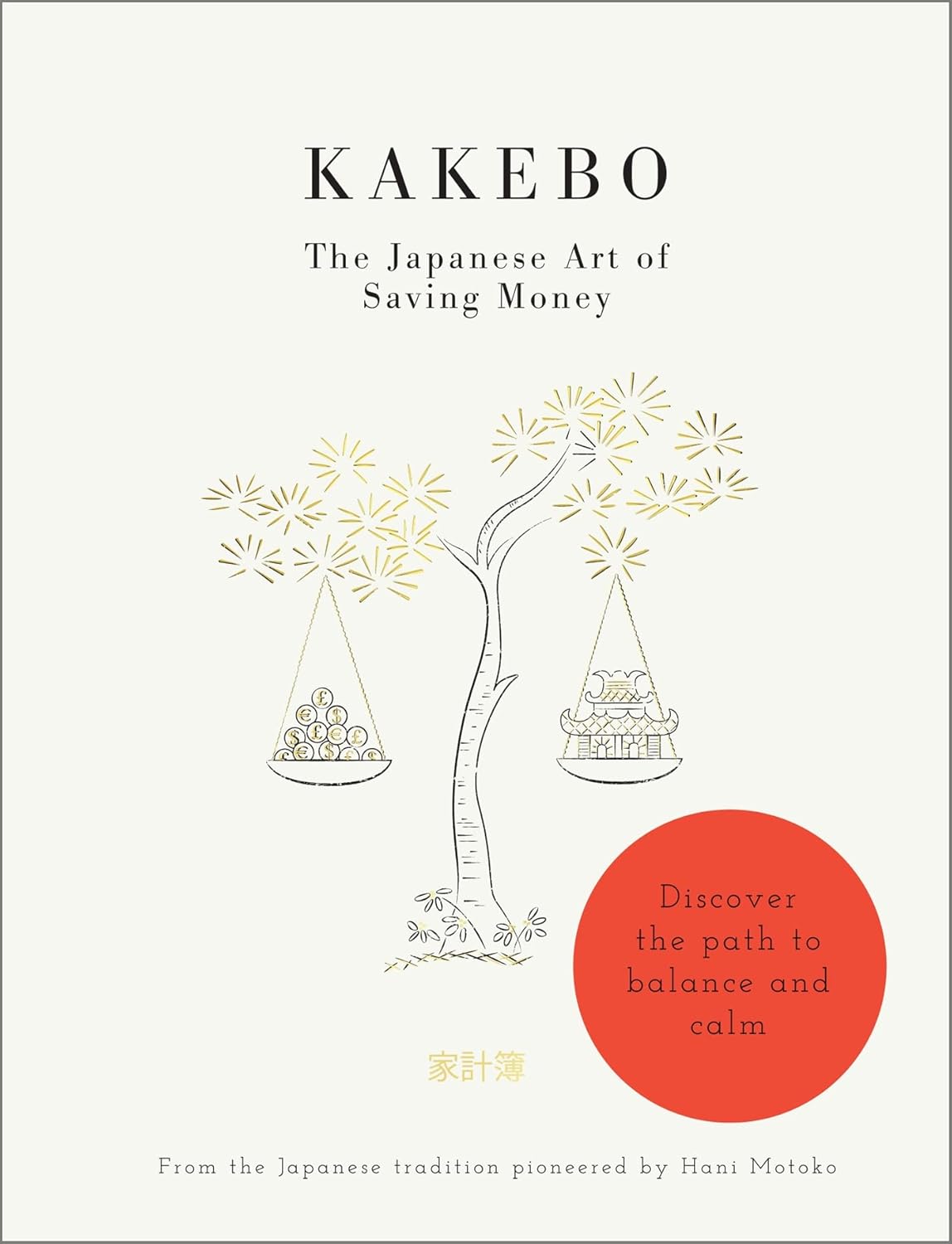
Short Books Kakebo: The Japanese Art of Saving Money by Hani Motoko - Paperback Budgeting Journal - Money Management Non Fiction GiftDiscover the Japanese art of saving money with Kakebo, a century-old budgeting journal brought to modern readers. Created by pioneering journalist Hani Motoko, this practical guide helps you set monthly savings goals, track weekly spending, and reflect on your relationship with money. It's an accessible alternative to budgeting apps, ideal for building lasting financial habits. Kakebo, which simply means 'household account book', distils a Japanese budgeting tradition that dates back to 1904. The beautifully produced paperback allows you to note your income, fixed outgoings, and savings target at the start of each month, then log spending across simple categories each week before tallying everything up.5,99 £*Shipping: 2,99 £Secure redirect to the provider
-
Cassell You're Not Broke You're Pre-Rich by Emilie Bellet - Paperback Personal Finance Guide for Adults - Budgeting, Saving & Investing Made SimpleGet straight-talking advice on personal finance with Emilie Bellet's guide to budgeting, saving, and investing. This practical book, designed for adults, helps you take charge of your finances and build lasting financial wellbeing, one manageable step at a time. Written by the founder of Vestpod, it distills years of expertise into an indispensable manual for anyone looking to simplify their finances and achieve financial confidence.6,99 £*Shipping: 2,99 £Secure redirect to the provider
-
What are rumination compulsions?
Rumination compulsions are repetitive and intrusive thoughts or mental acts that a person feels driven to perform in response to obsessive thoughts or anxiety. These thoughts often involve reviewing past events or conversations, analyzing potential future scenarios, or seeking reassurance. People with rumination compulsions may feel unable to control or stop these thoughts, which can significantly impact their daily functioning and mental well-being. Treatment for rumination compulsions often involves cognitive-behavioral therapy and medication to help manage the symptoms. **
-
How do you deal with rumination?
To deal with rumination, I try to practice mindfulness and focus on the present moment. I also find it helpful to engage in activities that distract me and bring me joy, such as exercise, spending time with loved ones, or pursuing a hobby. Additionally, talking to a trusted friend or therapist about my thoughts and feelings can provide me with a different perspective and help me break the cycle of rumination. **
-
Does rumination feel like vomiting for animals?
Rumination is the process by which animals such as cows, sheep, and goats regurgitate and re-chew their food to aid in digestion. This process is not the same as vomiting, as it is a normal part of their digestive system. Vomiting, on the other hand, is a reflexive action to expel the contents of the stomach and is not a normal part of the digestive process for these animals. Therefore, rumination does not feel like vomiting for animals, as they are two distinct processes with different purposes. **
-
What is the difference between reflection and rumination?
Reflection involves calmly and thoughtfully thinking about past experiences, actions, or events in order to gain insight, understanding, and learning from them. It is a constructive and intentional process that can lead to personal growth and development. On the other hand, rumination is a repetitive and unproductive pattern of thinking that involves dwelling on negative thoughts, feelings, or experiences without reaching any resolution or understanding. It can lead to increased stress, anxiety, and depression, and is often associated with overthinking and getting stuck in a cycle of negative thoughts. **
Similar search terms for Rumination
-
How can one become psychotic through extreme rumination?
Extreme rumination, or obsessive and repetitive thinking, can lead to psychosis through a process called thought disorder. When someone engages in constant and distressing rumination, it can disrupt their ability to think clearly and coherently. This can lead to disorganized thoughts, hallucinations, and delusions, which are characteristic symptoms of psychosis. Additionally, the intense focus on negative or distressing thoughts can exacerbate underlying mental health conditions, such as anxiety or depression, which can also contribute to the development of psychosis. Overall, extreme rumination can disrupt cognitive functioning and exacerbate mental health issues, potentially leading to psychosis. **
-
Is there a therapy for rumination and delusions?
Yes, there are therapies available for rumination and delusions. Cognitive-behavioral therapy (CBT) is a common approach used to address rumination by helping individuals identify and challenge their negative thought patterns. CBT can also be effective in addressing delusions by helping individuals examine and re-evaluate their beliefs. Additionally, medication may be prescribed by a psychiatrist to help manage symptoms of rumination and delusions, particularly in cases of underlying mental health conditions such as depression or schizophrenia. It's important for individuals experiencing rumination and delusions to seek professional help from a mental health provider to determine the most appropriate treatment approach for their specific needs. **
-
What medications are available for rumination and racing thoughts?
Medications that may be prescribed for rumination and racing thoughts include selective serotonin reuptake inhibitors (SSRIs) such as fluoxetine, sertraline, or paroxetine. These medications can help regulate serotonin levels in the brain, which may help reduce obsessive thoughts and racing thoughts. Other options may include atypical antipsychotics such as quetiapine or aripiprazole, which can help stabilize mood and reduce racing thoughts. It's important to consult with a healthcare professional to determine the most appropriate medication and dosage for individual needs. **
-
Is accounting and bookkeeping terribly boring?
Accounting and bookkeeping can be perceived as boring by some people, as it involves a lot of number-crunching and attention to detail. However, for those who enjoy working with numbers and finding solutions to financial challenges, accounting and bookkeeping can be quite engaging and rewarding. Additionally, the skills learned in accounting and bookkeeping are essential for understanding the financial health of a business and making informed decisions. Ultimately, whether accounting and bookkeeping are boring or not depends on individual preferences and interests. **
* All prices are inclusive of VAT and, if applicable, plus shipping costs. The offer information is based on the details provided by the respective shop and is updated through automated processes. Real-time updates do not occur, so deviations can occur in individual cases. ** Note: Parts of this content were created by AI.